Rocking Cat Silhouette: A Designer’s Real-World Embroidery Review
First Impressions: Charm Without Clutter
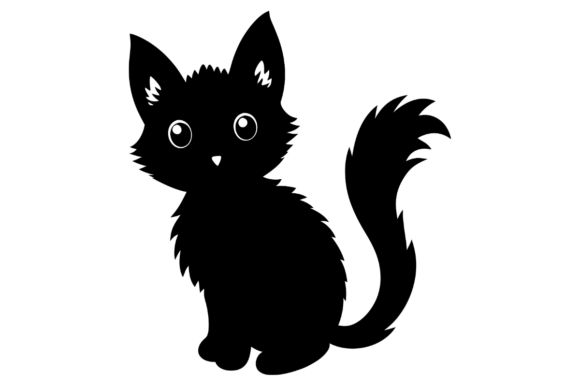
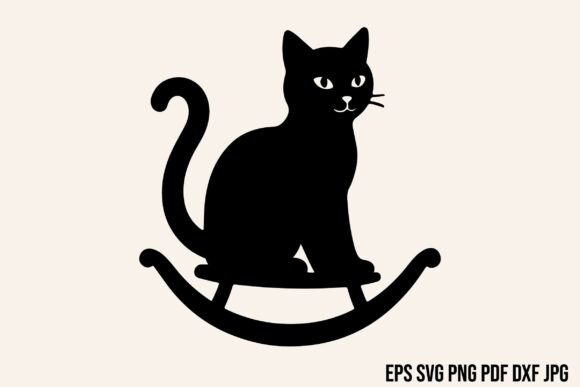
When I opened the Rocking Cat Silhouette files, I wasn’t greeted with busy outlines or overworked details—just a clean, confident profile of a cat mid-rock, balanced on curved rockers. It’s not cutesy, not cartoonish, and definitely not generic. It carries quiet warmth—a gentle nod to nostalgia, comfort, and handmade calm. As an illustrator and embroidery designer who evaluates hundreds of digital assets yearly, I immediately saw its potential as a machine embroidery design that breathes instead of shouts.
A Real Project in Mind: The Baby Shower Tote Bag
Last week, I prepped for a client order: a set of personalized cotton tote bags for a baby shower—soft, washable, and meant to hold tiny blankets, onesies, and love notes. I pulled up Rocking Cat Silhouette to test it as a centered chest emblem. At 3.5 inches wide, it scaled beautifully without losing shape integrity. The silhouette’s smooth curves translated cleanly into satin stitch, and the rocker base gave just enough visual weight to anchor the design—not too light, not too dense. Customers don’t buy “a cat.” They buy *feeling*: softness, care, timelessness. This design delivers that quietly.
Where It Shines—and Where It Needs Thought
Rocking Cat Silhouette works especially well for:
- Custom apparel on medium-weight fabrics—think sweatshirt cuffs, pocket accents on denim jackets, or subtle back-of-cap placements (if sized down to ~2.25”)
- Embroidered patches for nursery decor, aprons, or tea towels—its solid shape holds up beautifully in fill stitch with minimal underlay
- Baby embroidery on onesies and burp cloths—no fine linework to snag, no fragile limbs to distort during washing
- Holiday embroidery on kitchen towels or pillow covers—pair it with simple red or sage thread for understated seasonal charm
- Small shop product branding—its graphic clarity makes it ideal for printable mockups and consistent Etsy seller visuals
But—and this matters—I’d pause before using it on:
- Thin or stretchy fabric (like lightweight jersey or rayon challis) without proper cutaway stabilizer—the rocker curve could pucker if tension isn’t dialed in
- Curved surfaces like structured caps unless resized and re-digitized for low-profile stitch density
- Dark fabric without testing thread contrast first—it reads best in matte black or charcoal thread on light backgrounds, but can fade visually on navy or deep burgundy without a white underlay
- Tiny hoop sizes under 4×4 inches—while scalable, shrinking below 2.75” starts sacrificing the graceful rocker line definition
Design Integrity Meets Commercial Reality
As a craft business owner, I judge designs not just by how they look on screen—but how they hold up after 50 washes, how they photograph on Instagram, and whether customers recognize them as *intentional*, not stock. Rocking Cat Silhouette lands in that sweet spot: distinctive enough to feel custom, simple enough to stitch reliably across machines and skill levels. It doesn’t scream “digital download”—it reads as hand-drawn, considered, and cohesive. That builds customer trust, especially for Etsy sellers offering personalized gifts. When someone sees this on a handmade pillow cover or boutique apron, they sense care—not convenience.
Practical Notes Every Embroidery Designer Should Check
Before stitching your first Rocking Cat Silhouette project, here’s what I do—and recommend you do too:
- Test on scrap fabric first, especially if using textured weaves like linen or terry cloth—the design’s flow benefits from stable backing
- Review stitch density in your embroidery software; avoid heavy fill areas that might stiffen delicate baby items
- Confirm hoop size compatibility—this is a Graphics-category asset, so layout assumes standard placement, not multi-hoop tiling
- Inspect small corners—the rocker ends are rounded, not sharp, which helps prevent thread breakage at turns
- Try black-and-white mockups to gauge contrast on light vs. dark backgrounds—this design thrives on tonal simplicity
- Use tear-away + light cutaway stabilizer combo for cotton blends, and pure cutaway for knits
- Verify licensing before selling finished products or bundling the file—it’s a DIGITAL product, and commercial use depends on the creator’s terms
Why It Fits So Many Niches—Without Trying Too Hard
I’ve used Rocking Cat Silhouette for a holiday embroidered patch series (paired with minimalist holly sprigs), as a subtle chest motif on organic cotton sweatshirts for a local pet rescue fundraiser, and even as a stitched accent on linen napkin sets for a wedding boutique. Its strength lies in its restraint: no gradients, no gradients, no layered elements—just one strong, unified Illustrations-grade shape. That makes it flexible for commercial embroidery, easy to brand consistently, and forgiving for beginners learning satin stitch control.
Final Thought: A Design That Supports, Not Overpowers
In a market flooded with overdesigned, overdigitized embroidery files, Rocking Cat Silhouette stands out by doing less—and doing it well. It doesn’t demand attention. It earns it. Whether you’re an Etsy seller building a signature style, a small shop owner curating cozy home goods, or a hobbyist stitching heartfelt gifts, this design supports your voice instead of competing with it. It’s not flashy—but it’s memorable. Not loud—but it lingers. And in handmade work, that’s the highest compliment.